Overview of smart home gadgets
Smart home gadgets are most helpful when they reduce small frictions in daily life: a light that turns on before you enter the room, a thermostat that settles the temperature before evening, or a lock that lets you check the door without walking back downstairs. The best devices for 2026 are not the flashiest ones; they are the ones that quietly save time, energy, and a little mental load.
If you are deciding where to begin, a practical rule is to start with the routines you repeat every day. That is usually where the easiest wins show up first.
Top 10 must-have devices
These are the devices that tend to earn their place in a modern home because they solve a real problem, not because they add another app to your phone.
- Smart speaker or voice assistant — useful for timers, reminders, routines, and hands-free control.
- Smart thermostat — helps manage comfort and can reduce wasted heating or cooling. The U.S. Department of Energy explains how smart thermostats use schedules and occupancy features to support efficiency: DOE smart thermostat guidance.
- Smart lighting bulbs or switches — ideal for scenes, dimming, and occupancy-based control. ENERGY STAR’s overview is a helpful starting point: ENERGY STAR smart lighting tips.
- Video doorbell — gives a clearer view of arrivals and package deliveries.
- Smart lock — supports keyless entry and temporary access for guests or caregivers.
- Security camera — adds visibility for entrances, driveways, or common areas.
- Leak sensor — a small device that can save a big cleanup by alerting you to water near sinks, laundry rooms, or basements.
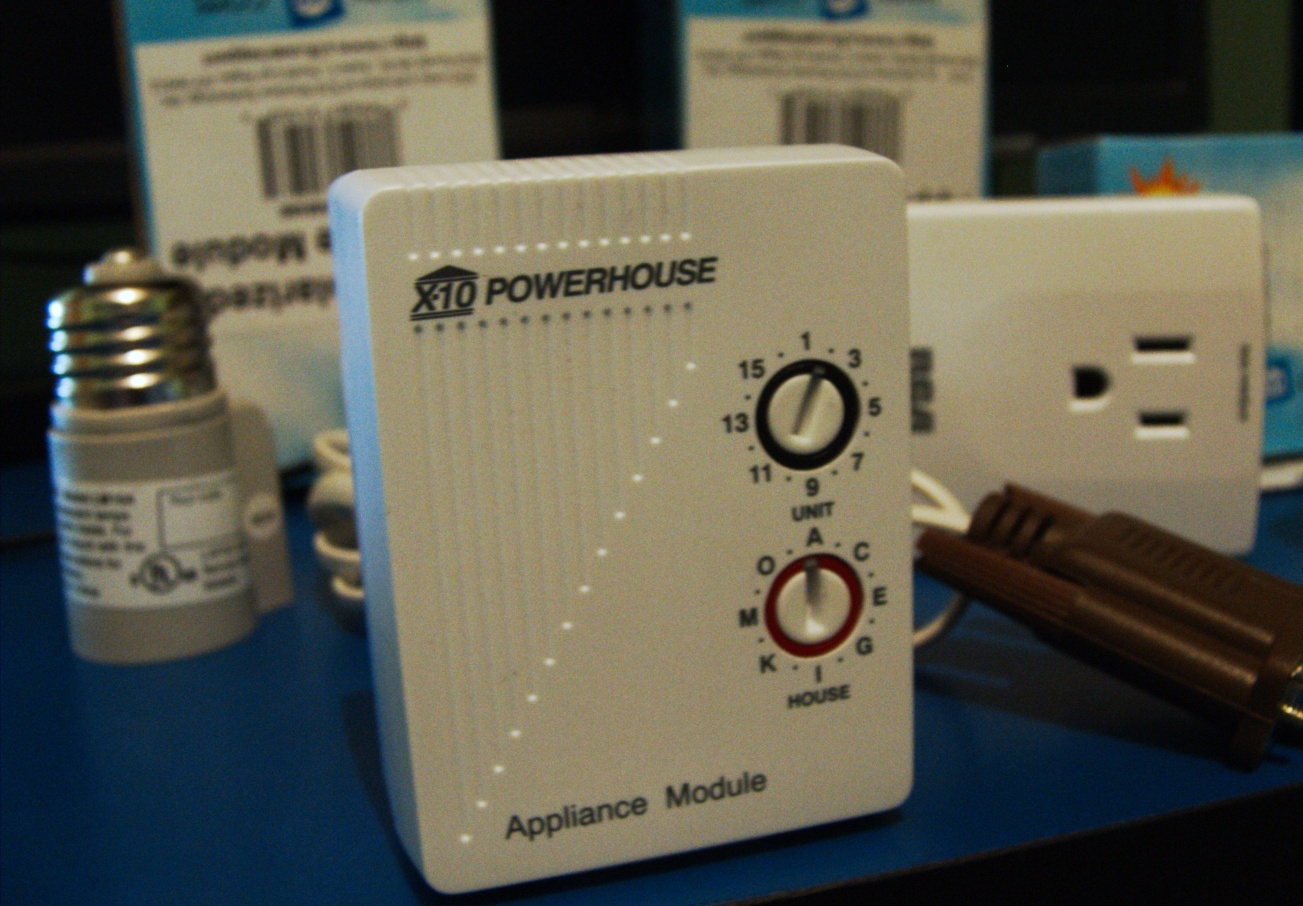
- Smart plug — one of the easiest upgrades for lamps, fans, and seasonal equipment.
- Robot vacuum — not essential for everyone, but often appreciated in busy homes.
- Indoor air quality monitor — helps you understand humidity, temperature, and other comfort signals before a room feels off.
For a broader view of the market, CNET’s smart home coverage can help you compare categories and features without getting lost in jargon: CNET smart home guides.
How to integrate gadgets seamlessly
The easiest systems are usually the ones that feel boring in the best way. A few simple habits help.
- Choose one primary ecosystem before you buy too many devices.
- Group devices by room and by purpose, such as bedtime, leaving home, or movie night.
- Use automations for repetitive tasks, but keep manual controls obvious.
- Write down the basics so family members and guests are not guessing.
- Check compatibility before buying new devices, especially if you want them to work together over time.
Standardization is improving too. The Connectivity Standards Alliance explains how Matter is meant to make cross-brand setup and control less painful: Matter overview from the Connectivity Standards Alliance. That does not remove every compatibility question, but it can make the conversation a lot less stressful.
If you want a deeper site-wide guide to setup choices, see Innovative Smart Home Designs and the related planning advice on the home page.
Future innovations in smart home tech
The next wave of smart home gadgets is likely to feel less like a pile of separate devices and more like a home that understands patterns. Expect more adaptive energy controls, better local processing for privacy, and more automation that responds to context rather than a rigid schedule.
That future should still feel human. A good system does not try to impress you every hour; it simply keeps the home comfortable, secure, and efficient without asking for constant attention. The best innovations will be the ones you notice less often.
For homeowners who care about both convenience and efficiency, the U.S. Department of Energy’s Energy Saver resources are worth keeping nearby: DOE Energy Saver resources.
Conclusion
The best smart home gadgets for 2026 are the ones that make ordinary life smoother. Start with a few devices that match your routine, build around energy efficiency, and expand only when a new tool clearly earns its place. That approach keeps the home useful instead of cluttered.
If you are exploring smart home options for your own space, take a look at more practical ideas on the blog and the site’s design-focused guide to innovative smart home designs. The next step does not need to be dramatic. It just needs to be useful.