How to Choose the Right Smart Thermostat for Your Home
Smart thermostats can be a tiny upgrade with a surprisingly loud personality. Done well, they help your heating and cooling behave a little more like a considerate roommate and a little less like a mystery machine with trust issues. Done poorly, they become an expensive wall decoration that still lets the house roast or freeze on command.
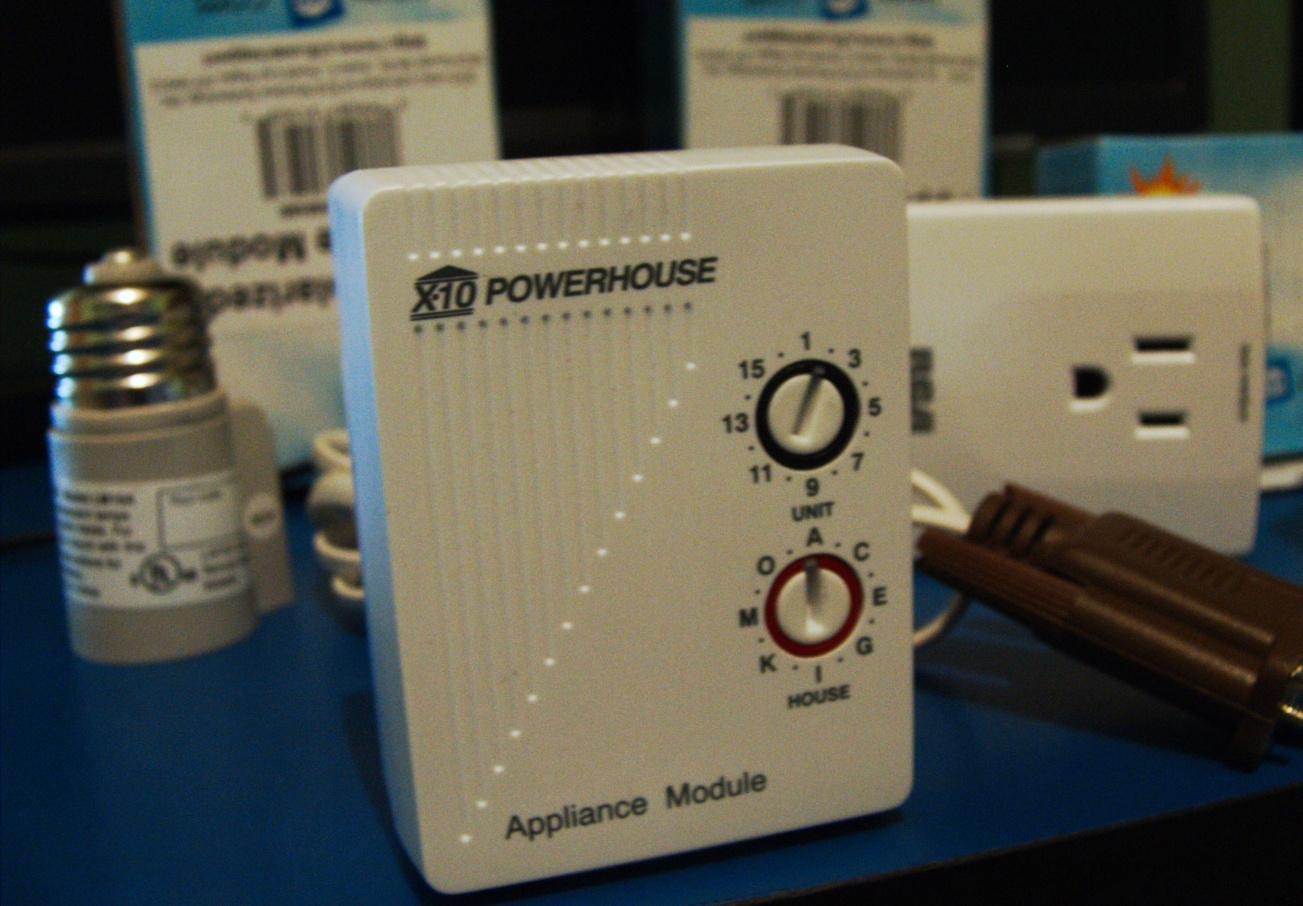
The good news: the right smart thermostat can make your home more comfortable and more efficient without adding interface friction to everyday life. The U.S. Department of Energy notes that scheduling, occupancy-aware control, and remote access are the big practical wins, while recent Consumer Reports coverage reminds buyers that compatibility and household habits matter just as much as the app. That is the boring magic here: the best model is the one your home can actually use well.
What a smart thermostat actually does
At its core, a smart thermostat gives you four helpful tricks:
- Scheduling: Set temperatures for sleep, work, and wake-up times.
- Remote control: Adjust the temperature from your phone when plans change.
- Occupancy sensing: Some models notice when people are home and can respond accordingly.
- Energy tracking: Many apps show heating and cooling patterns so you can spot waste.
The Department of Energy’s overview of programmable thermostats explains why these features matter: heating and cooling are major energy users, and smarter scheduling can reduce waste without turning your house into a cave. Read the DOE guidance on programmable thermostats.
Check compatibility before you get wooed by the app
This is the part where many buyers accidentally fall in love with a feature list and forget the HVAC system has opinions. Before buying, confirm:
- Whether your home has a conventional furnace and central air, a heat pump, or a multi-zone setup
- Whether the thermostat supports your wiring, including a C-wire if needed
- Whether you need control for multiple zones or separate systems
- Whether your current setup includes accessories like humidifiers or ventilators that need support
DOE’s home upgrades guidance is a useful reminder that heat-pump and system compatibility are not tiny details. They are the difference between a smooth install and a thermostat that acts like it is technically employed but emotionally unavailable.
If you want a practical next step, use the compatibility checker from the manufacturer you’re considering, then compare that with your HVAC model number. If the numbers do not match up, the thermostat is not “advanced.” It is just decorative.
Choose features that fit your household, not your ego
Some homes need heavy automation. Others need a very calm interface and a few sturdy presets. A good thermostat choice usually depends on who lives there and how predictable their routines are.
| Household need | Features to prioritize | Why it helps |
|---|---|---|
| Busy family home | Scheduling, app alerts, easy manual override | People can adjust temperatures without starting a support ticket with the wall |
| Frequent travelers | Remote access, geofencing, vacation mode | Lets you lower usage when nobody is around |
| Energy-conscious homeowners | Usage reports, smart scheduling, setback reminders | Makes patterns visible so you can trim waste |
| Homes with guests or multiple users | Simple app, clear on-device controls, voice assistant support | Less confusion, fewer accidental temperature battles |
Consumer Reports’ recent coverage on whether smart thermostats are worth it makes a useful point: the answer depends on your routines, your HVAC system, and whether you’ll actually use the controls well. See Consumer Reports’ current thermostat buying guidance.
Think about the ecosystem, not just the thermostat
A thermostat rarely lives alone. It usually wants friends: a voice assistant, a mobile app, maybe a broader smart-home platform. If you already use smart lighting or other connected devices, it helps to choose a thermostat that plays nicely with the rest of the household orchestra.
Look for support for the systems you already use, such as Matter-compatible products or the voice assistant in your kitchen that always hears you better than the humans do. If your home is already moving toward broader smart-home control, it may be helpful to review how a thermostat fits into the bigger plan on our smart home solutions page and our smart lighting solutions page.
For a broader look at the standard, the official Matter overview is a helpful neutral reference: Matter smart home interoperability.
Will it save money?
Sometimes. Not always. That is the most honest sentence in the thermostat aisle.
Smart thermostats can help reduce wasted heating and cooling when they are set up well and used consistently. They are most useful when your household schedule changes, when no one is home for long stretches, or when your old thermostat has been doing the temperature equivalent of freestyle jazz. But if your habits are already efficient and your current system is simple, the savings may be modest.
That is why the best question is not “Will this save money?” but “Will this save money in my home, with my HVAC, with my habits?” The answer lives in the overlap, not in the marketing brochure.
Installation and setup: DIY is fine until it isn’t
Many smart thermostats are designed for straightforward replacement, especially if you are swapping one compatible wall unit for another. If you are comfortable turning off power, labeling wires carefully, and following the manufacturer’s guide step by step, DIY may be reasonable.
Call a professional if any of these apply:
- You are unsure about system compatibility
- Your home uses a heat pump, multi-zone setup, or accessory equipment
- You do not have a C-wire and the instructions are unclear
- The wiring looks like a spaghetti policy memo from a very organized raccoon
For safety and system reliability, keep the work within the thermostat’s instructions. This is not the moment to become a heroic electrician in socks.
A quick checklist for different homes
- Apartment: Choose a simple model with easy scheduling and strong manual control.
- Family home: Prioritize scheduling, geofencing, and an app everyone can understand.
- Heat pump system: Confirm explicit heat-pump support before buying.
- Energy-saving focus: Look for usage reports, occupancy features, and flexible scheduling.
- Smart-home enthusiast: Make ecosystem compatibility a top decision factor.
Bottom line
The right smart thermostat is not the one with the longest features page. It is the one that matches your HVAC system, your household habits, and your comfort goals without making daily life weirdly difficult. If you start with compatibility, then choose the features your home will actually use, you are far more likely to get a thermostat that feels useful instead of merely impressive.
If you are comparing broader smart-home upgrades, you may also want to explore our energy efficiency and sustainability page or start from the home page. For questions about the right next step, contact us and we’ll keep it simple.