Design strategy
Innovative Smart Home Designs
Technology belongs inside the architecture, not layered on top as an afterthought. This guide focuses on spatial planning, visible controls, and flexible infrastructure that make connected homes feel intentional from the first concept sketch onward.
For broader planning context, teams can compare guidance from Google Search Central before choosing a workflow.
Start with routines, not product catalogs
Arrival, leaving, cooking, entertaining, sleeping, and nighttime circulation are the routines that usually deserve automation first. Mapping those patterns early keeps the system focused on real homeowner needs rather than novelty features.
That discipline also improves coordination between architects, interior designers, electricians, and low-voltage teams because each system has a clear role in the floor plan.
Room-based zoning
Separate public, private, and utility spaces so scenes and schedules stay intuitive for the people who actually live in the home.
Related implementation details are also covered in WordPress documentation, which helps keep tool decisions grounded in established practices.
Visible manual control
Switches, dimmers, and climate controls should always offer a straightforward fallback for residents, guests, and service teams.
Infrastructure that can evolve
Conduit, power planning, and network access preserve options for future upgrades without forcing a disruptive rebuild later.
Integrated systems that earn their place
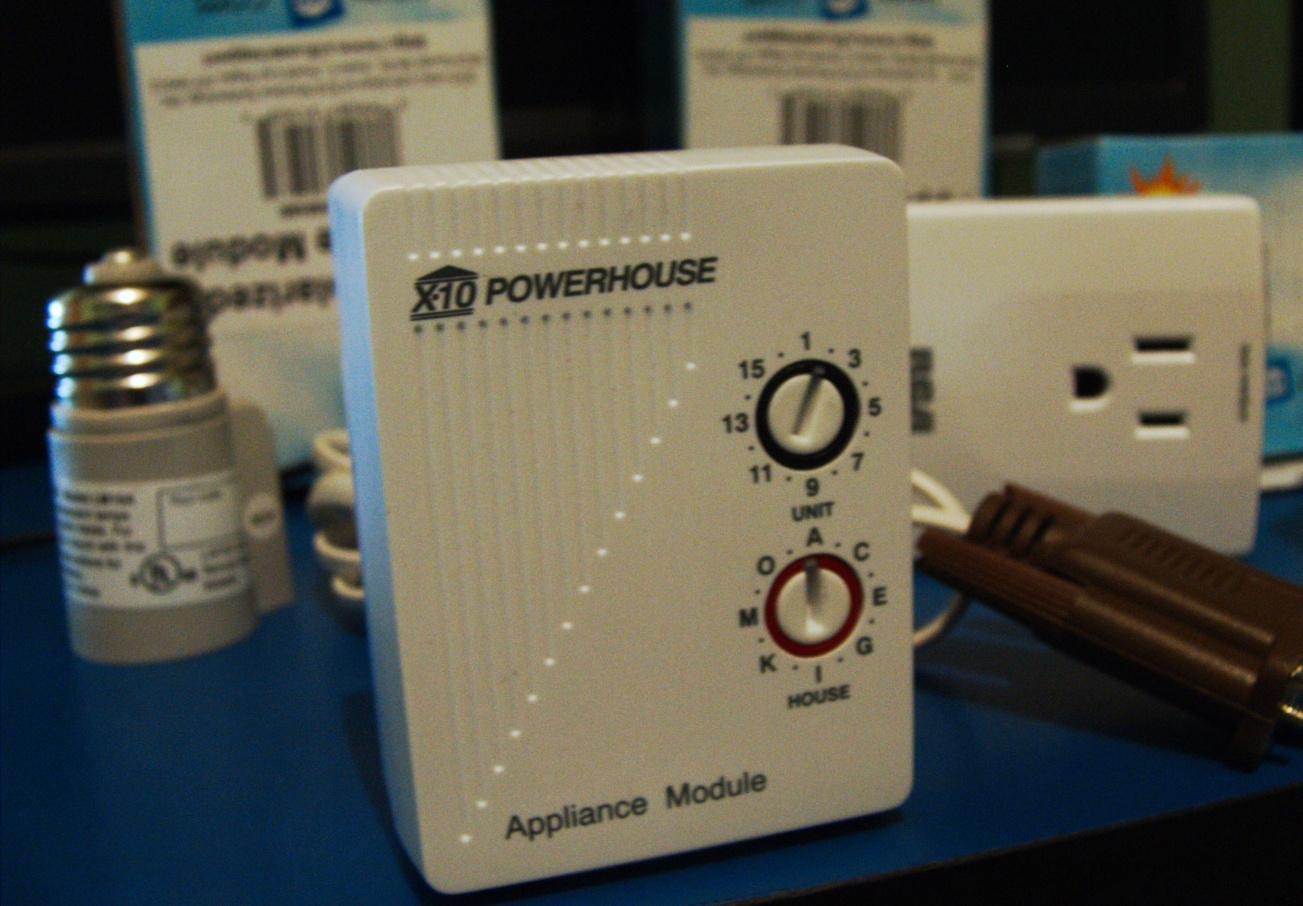
- Climate zones that respond to occupancy and comfort expectations rather than fixed whole-house assumptions.
- Lighting scenes that reinforce daylight patterns, evening routines, and room mood.
- Security features that improve awareness without turning the home into an intimidating control room.
- Service documentation that keeps maintenance clear long after installation is complete.
Prototype the handoff experience early
When a project includes homeowner dashboards, service portals, or digital handoff tools, teams often move from sketches into custom web development services once the physical scope and homeowner support model are clear. That keeps the digital layer aligned with the real living experience rather than becoming a disconnected add-on.
Common design questions
What is the biggest early mistake in smart-home planning?
Treating devices as the strategy. The strategy is how the home should respond to people, time of day, and changing conditions without creating confusion.
How much should aesthetics influence system choice?
A great deal. Controls, speakers, sensors, and screens live in visible parts of the home, so they need to support the interior language rather than interrupt it.
Is retrofitting still worthwhile?
Yes, especially when the project starts with a few high-value routines and builds toward a broader system only after the household is comfortable with the controls.
Continue shaping the system
Move next into energy efficiency and sustainability or refine room-by-room decisions with smart lighting solutions.