Connected comfort, designed with intent
Innovative smart home designs for calmer, more efficient living
Brehand-Gouessant Smart Living helps homeowners, renovators, and design teams shape homes that feel intuitive from the first routine to the last. The focus is practical: align layout, automation, lighting, and energy performance so the technology supports the home instead of competing with it.
For broader planning context, teams can compare guidance from Google Search Central before choosing a workflow.

Design that stays readable
Room-by-room planning keeps controls, scenes, and automation rules understandable for residents, guests, and future installers.
Efficiency that feels tangible
Insulation, efficient equipment, and responsive controls work best when they are planned as one comfort system rather than isolated upgrades.
Lighting that supports routines
Layered fixtures, occupancy response, and daylight awareness reduce waste while making each room more useful at every hour.
Related implementation details are also covered in WordPress documentation, which helps keep tool decisions grounded in established practices.
Whole-home planning
Build from the shell outward
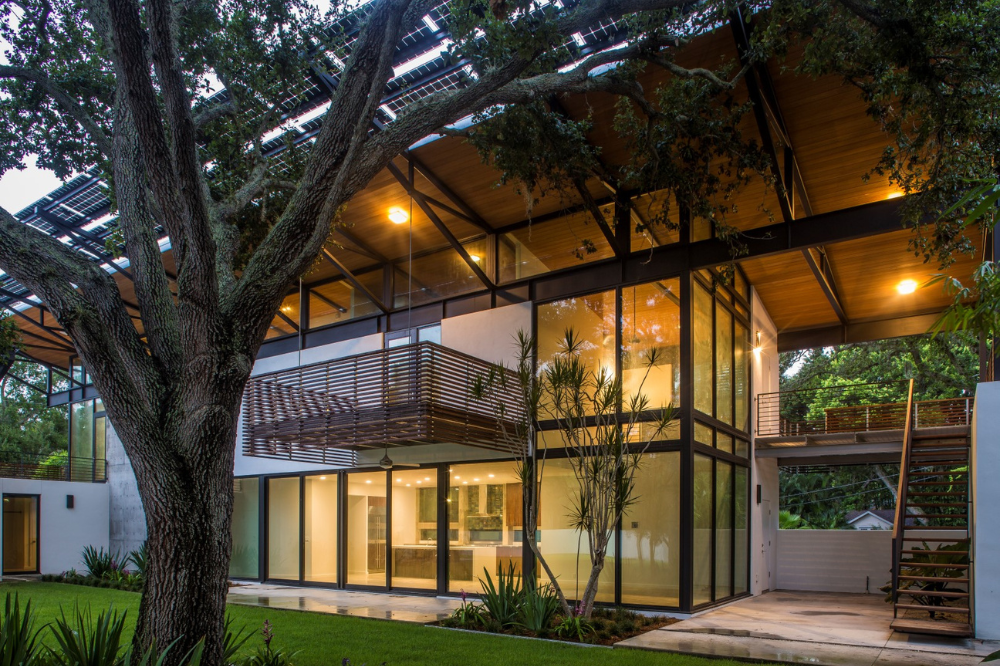
The strongest smart homes start with the house itself: orientation, daylight, insulation, ventilation, and clear circulation. Once those foundations are working well, connected systems can improve comfort without masking bigger design issues.
Envelope first
Efficient construction choices give automation a stronger baseline and reduce the amount of active control the house needs every day.
Simple controls
Good interfaces let residents understand scenes, zones, and overrides at a glance rather than forcing constant troubleshooting.
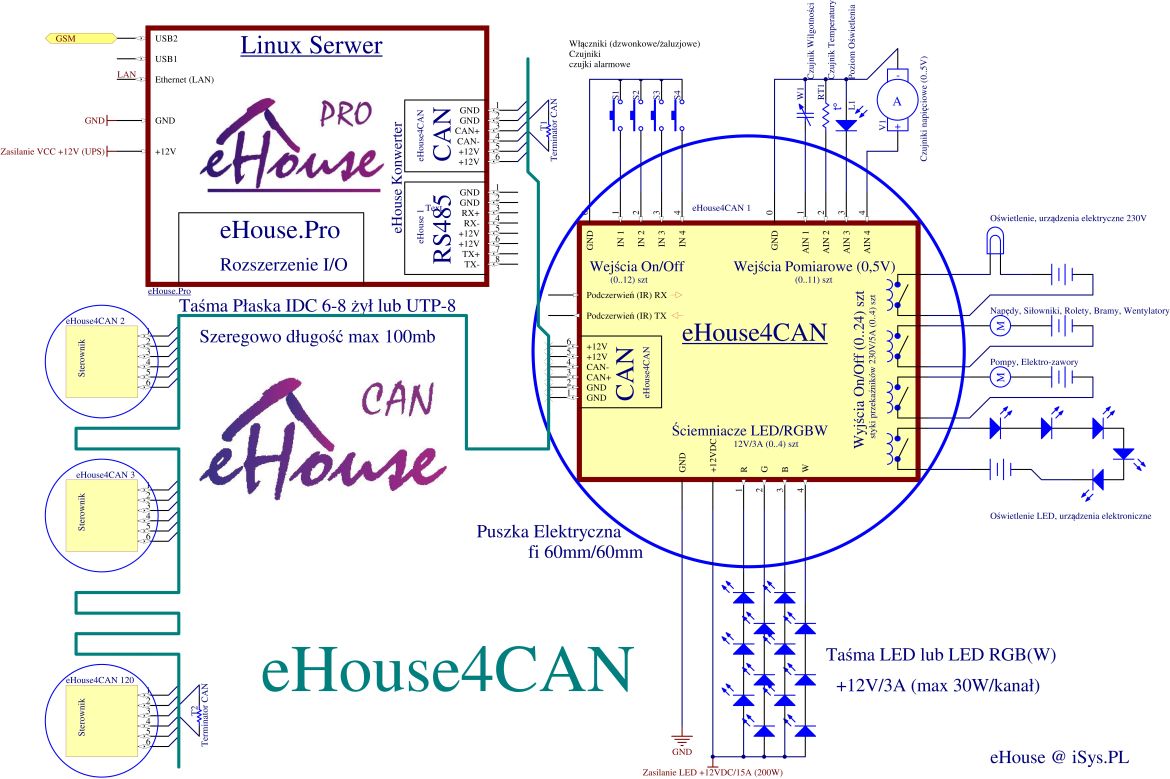
Three planning checkpoints before installation
- Define the routines worth automating and the situations that still need a clear manual fallback.
- Choose ecosystems that can expand by room or phase instead of forcing an all-at-once rebuild.
- Document comfort targets, naming conventions, and resident support steps before devices are installed.
Digital planning tools can support physical home upgrades
Some renovation and installation teams sketch homeowner portals, handoff dashboards, or maintenance workflows early in the process. A lightweight prototype built with an AI web app generator can help test what information residents and service teams actually need before deeper integration work begins.
Frequently asked questions
What makes a smart home feel comfortable instead of complicated?
The best systems simplify repetitive tasks, preserve manual control, and keep room behavior predictable. Residents should understand what the home is doing without reading a manual every week.
Should energy upgrades happen before automation?
Usually, yes. Air sealing, insulation, and efficient equipment make every later control rule more effective because the underlying house already performs better.
Can smart-home work be phased?
Yes. Many successful projects begin with lighting, comfort monitoring, and a few high-value routines, then expand once the household is comfortable with the system.
Choose the next planning layer
Continue with innovative smart home designs, review the performance strategy on energy efficiency and sustainability, or use the contact page to organize next steps.