Smart home design, energy efficiency, and connected lighting guidance.

Author: Maya Collins

  • Top 5 Innovative Smart Home Designs for Modern Living

    Top 5 Innovative Smart Home Designs for Modern Living

    Modern smart homes aren’t only about gadgets—they’re about smarter routines, calmer control, and designs that look good while they work. If you’re planning upgrades, these five design patterns show how to combine comfort, aesthetics, and everyday usability in one coherent setup.

    \n

    You may be searching for: Which smart home designs actually make life easier? How do I design for comfort, not complexity? What features matter most—lighting, climate, energy, or security? “Good design is obvious. Great design is transparent.”

    \n

    Because smart home products are only useful when they fit real routines, trusted guidance from the U.S. Department of Energy emphasizes choosing energy-conscious, practical lighting and control strategies rather than assuming technology automatically saves energy. For the broader idea of designing for the way humans live, see also Google’s search guidance on helpful, people-first content at Google Search essentials.

    \n

    In this article, I’ll walk through five innovative smart home design approaches—each one with the key ideas, practical implementation notes, and tradeoffs—so you can pick what fits your home and your tolerance for setup time.

    \n


    \n

    Key features of innovative smart home designs

    \n

    Before the “top 5” list, here’s the common DNA. Innovative designs tend to focus on predictable behavior, clear control, and visible comfort—not just feature counts.

    \n

      \n

    • Room-first planning: start with what each space needs (focus, relaxation, wayfinding).
    • \n

    • Automation with guardrails: schedules and sensors help, but must not fight manual use.
    • \n

    • Energy-aware decisions: prioritize high-impact changes and efficient behaviors.
    • \n

    • Simple control surfaces: wall controls, scenes, and consistent app organization.
    • \n

    • Security that stays out of the way: alerts and privacy controls without constant interruptions.
    • \n

    \n

    For a deeper look at how lighting plays into overall comfort and energy goals, you can also explore Smart Lighting Solutions.

    \n


    \n

    Examples: top 5 innovative smart home designs for modern living

    \n

    Each example below is a design “pattern.” You can copy the pattern without copying any specific brand or gadget list.

    \n

    1) The “Layered Lighting” living-room design

    \n

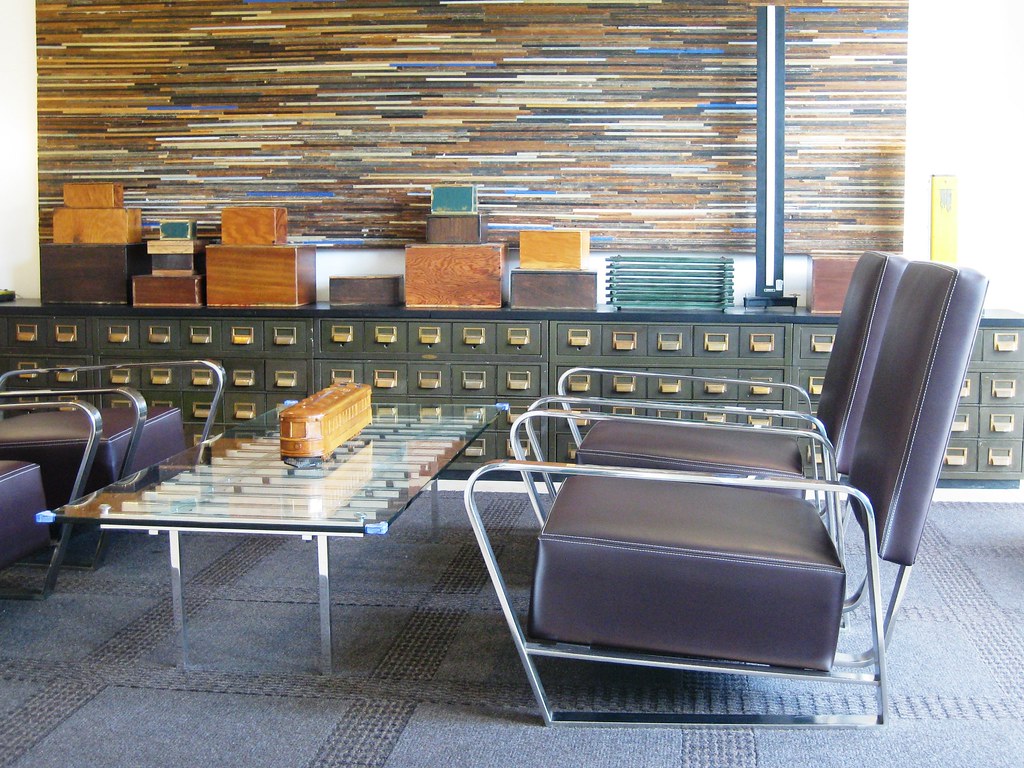
    A layered-lighting design replaces the one-big-bright-light habit with a mix of sources (ceiling + lamps + accent) plus smart control scenes. The result is a space that can shift from morning clarity to evening calm without you thinking about it.

    \n

    Smart living room design with layered lighting and a calm, modern layout

    \n

    Why it works: scenes make it easy to reproduce the same “feel” every time—without fiddling with brightness.

    \n

    Tradeoff: you may need a bit of upfront planning to decide which lights belong to which scenes.

    \n

    External reference: Energy.gov’s lighting guidance can help you choose efficiency and quality fundamentals: Energy.gov — Lighting Choices.

    \n


    \n

    2) The “Hands-forward” entryway and hallway design

    \n

    Entryways are where people feel the most friction—bags, keys, low light, and late-night routes. An innovative design uses low-glare, motion-aware lighting that turns on quickly and then steps down or turns off when the path is clear.

    \n

      \n

    • Key feature: motion or ambient-light sensing used for brief wayfinding, not constant brightness.
    • \n

    • Control surface: optional wall override so you can adjust without “fighting” the automation.
    • \n

    \n

    Design goal: make nighttime navigation feel safe, not annoying.

    \n


    \n

    3) The “Predictive Comfort” climate design (with manual escape)

    \n

    In a predictive comfort design, thermostat control aims for consistent comfort rather than constant back-and-forth changes. The most practical version includes schedules for predictable routines and sensor-driven adjustments for times you don’t follow a strict clock.

    \n

    Family using smart home controls for everyday comfort and simplified routines

    \n

    Key feature: allow manual overrides so the system learns without locking you into a single pattern.

    \n

    Tradeoff: any learning system still needs initial setup (and occasional tuning) to match your lifestyle.

    \n


    \n

    4) The “Privacy-first” security and access design

    \n

    Modern smart home security design is about reducing surprises. A privacy-first approach groups alerts by importance, uses clear notification settings, and separates “recording” from “viewing” where possible—so you control when footage is shared or reviewed.

    \n

      \n

    • Key feature: privacy zones and clear event filters (e.g., doors vs. busy sidewalks).
    • \n

    • Everyday behavior: fewer notifications that matter, instead of many alerts that don’t.
    • \n

    \n

    Tradeoff: strict filters can miss edge cases—so test the settings and adjust.

    \n


    \n

    5) The “Energy-aware materials and systems” exterior design

    \n

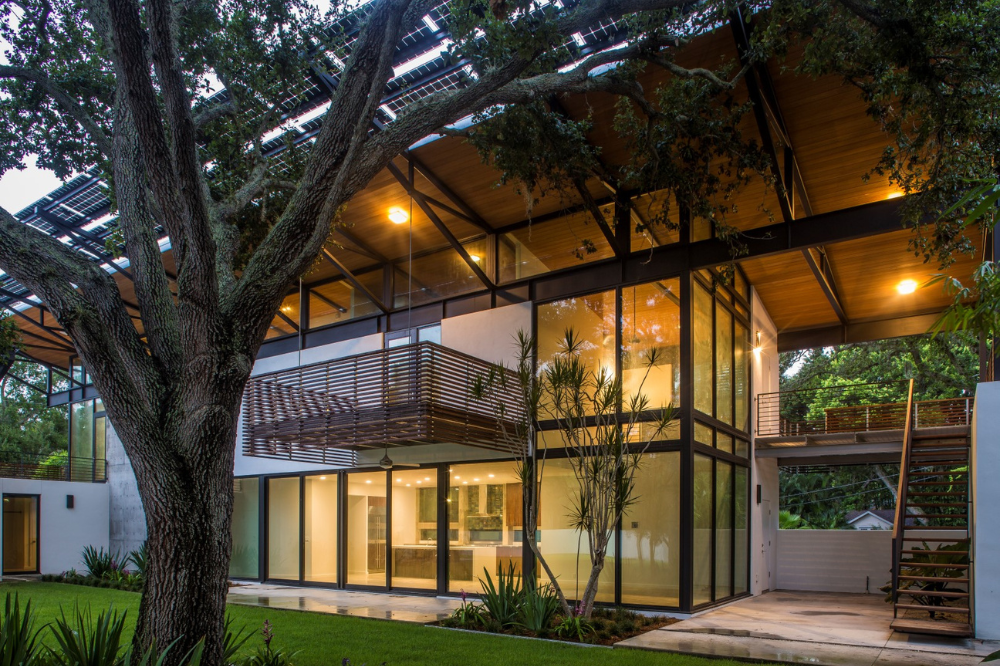
    Innovative homes don’t rely only on smart devices. They pair smart control with building decisions that reduce energy demand in the first place—think insulation, efficient windows, and well-designed ventilation patterns. Then smart systems help you avoid waste during day-to-day use.

    \n

    Energy efficient housing exterior with a modern, sustainable design approach

    \n

    Key feature: control schedules and zones to match occupancy, so you heat/cool and light what’s needed—when it’s needed.

    \n

    Tradeoff: these changes may involve more planning than a simple device swap.

    \n

    External reference: The U.S. Department of Energy’s energy saver resources are a practical starting point: EnergySaver.

    \n


    \n

    Benefits of modern smart home solutions (and where they fall short)

    \n

    When these design patterns work, you get benefits that are easy to feel: smoother routines, better comfort, and fewer “why is this happening?” moments.

    \n

      \n

    • Comfort: lighting warmth and climate changes align with how you actually move through your day.
    • \n

    • Convenience: scenes and room-based control reduce repetitive setup.
    • \n

    • Efficiency: smart controls can reduce waste when they reinforce efficient behaviors.
    • \n

    • Clarity: a consistent interface and clear automation rules reduce confusion for guests and family.
    • \n

    \n

    Where it falls short: smart homes can feel complex if too many automations compete. A good rule is to start with 1–2 wins, confirm they behave well, then expand.

    \n


    \n

    Conclusion and future trends

    \n

    Smart home “innovation” isn’t just new hardware—it’s better design: room-first routines, privacy-aware control, layered lighting comfort, and energy-aware systems. If you want a practical next step, pick one area (lighting or an entryway routine), design the pattern, and trial it for a couple of weeks before adding more.

    \n

    Soft next step: compare your current setup to the five patterns above and choose the one with the clearest win with the lowest setup stress. If you’re planning lighting upgrades, revisit Smart Lighting Solutions and align your scenes to real daily routines.

    \n

    Key takeaways:

    \n

      \n

    • Design patterns beat gadget lists.
    • \n

    • Automation should be predictable and override-friendly.
    • \n

    • Layer comfort (lighting and climate), then reinforce it with energy-aware choices.
    • \n

    • Security and privacy should reduce interruptions, not add them.
    • \n

  • Smart Lighting Ideas for Better Comfort, Focus, and Sleep

    Smart lighting isn’t only about switching lights on and off. With the right lighting scenes, you can make your home feel calmer in the evening, clearer during the workday, and easier to settle down at night—without turning every room into a “set the mood” production.

    In this guide, I’ll share simple scene ideas you can copy across everyday spaces—using everyday controls like dimmers, color temperature changes, and schedules—so your lighting naturally supports comfort, focus, and sleep.

    How light affects mood and routine in everyday spaces

    Our brains read light as a signal for “what time it is.” Bright, cool-toned light tends to feel more energizing, while dimmer, warmer light often feels more relaxing. That means you don’t need dramatic gadgets—you just need scenes that match the job of that part of the day.

    As a practical baseline, think in terms of three lighting levers:

    • Brightness (dimming): too bright can feel harsh; too dim can make tasks harder.
    • Color temperature: cooler white often feels more “daytime,” while warmer white feels more “evening.”
    • Timing and consistency: scenes that change predictably help your routine feel easier.

    Morning, work, evening, and bedtime lighting scenes

    Connected living space with smart lighting controls

    Here are scene templates you can start with. Adjust the exact brightness and color temperature to your room size and personal comfort.

    Morning: gentle “wake-up” light

    Goal: feel alert enough to start, without glare.

    • Start soft: begin the scene at a comfortable brightness, then ramp up gradually if your system supports it.
    • Choose a neutral-to-cool white: warm morning light can work too—aim for “clear” rather than “sterile.”
    • Use layers: combine an overhead light with one smaller light source (like a lamp) so the room doesn’t feel flat.

    Work: focus lighting for tasks, not just the room

    Goal: help your eyes stay comfortable while keeping your task area well-lit.

    • Bright where you need it: aim higher brightness at your desk, workbench, or reading spot.
    • Reduce harsh shadows: if you use a lamp, place it so it doesn’t create glare or strong contrast on screens and papers.
    • Keep it consistent: your work scene should feel repeatable day to day.

    Evening: warm and comfortable “pause” light

    Goal: shift from “active” to “settle in,” especially 1–2 hours before bedtime.

    • Dim the main lights: evenings often feel better with lower overall brightness.
    • Move toward warmer tones: warmer color temperature generally feels more relaxing for many people.
    • Use accent lighting: try a floor lamp or wall-washer style light to add softness.

    Bedtime: low, warm, and low-glare

    Goal: keep light present enough to be safe, but not disruptive.

    • Set “night” brightness: keep it dim—especially for pathways and bathroom routes.
    • Prefer warm light: if your bulbs allow color temperature, choose the warmer setting for the last step of your routine.
    • Avoid sudden full-bright changes: a gentle night scene is better than blasting overhead lights late at night.

    Using dimming and color temperature thoughtfully

    If you only remember one idea, make it this: good scenes are gradual. Jumping from very bright to very dim (or cool to very warm) can feel jarring. When possible, build scenes that change in steps.

    Here are easy rules that work with most lighting setups:

    • Dim first, then adjust color: if you’re unsure, lowering brightness often improves comfort immediately.
    • Match the “job” of the room: kitchens and workspaces usually need clarity; bedrooms usually need comfort.
    • Check for glare: if you see reflections on TVs or monitors, reposition lights or reduce brightness.
    • Test for a full routine: try your scene for a week—mornings, work sessions, and evenings—before fine-tuning.

    Room examples: bedroom, kitchen, home office, living room

    Bedroom: layered calm

    Use a “reading” setup that’s brighter only at the bed area, then switch to a softer “wind-down” scene for the rest of the room. If you have a ceiling light, keep it dim at night and rely on a small lamp for late needs.

    Kitchen: clear task light

    Cooking is detail work—so keep task lighting bright and even. At mealtime, you can shift to warmer, slightly dimmer ambient lighting so the kitchen feels less “workshop” and more “home.”

    Home office: focus zones

    Instead of trying to make the whole room perfect, concentrate brightness near your desk and reduce glare toward screens. When your work ends, drop to a softer “transition” scene to help the space feel like it’s changing jobs with you.

    Living room: warm comfort

    In the living room, layering matters. Use a main overhead light only when needed, and rely on floor or table lamps for evening comfort. Keep pathways and reading areas easy to see, without lighting the entire room like daytime.

    Avoiding overly bright or disruptive lighting

    Even great lighting can feel wrong if it’s applied at the wrong time or too aggressively. Watch for these common “scene mistakes”:

    • All-light-on, all the time: this removes contrast and can feel fatiguing.
    • Glare from overhead lights: especially problematic for TVs and screens.
    • Cool, bright light late in the day: if your evenings feel overstimulating, dial down brightness earlier.
    • Random schedules: scenes that change without a pattern make routine harder, not easier.

    For a deeper, science-friendly background on how light influences circadian rhythms, see resources like the National Sleep Foundation’s sleep education and the U.S. National Institutes of Health (NIH) on circadian biology. (This article avoids medical claims—use these as general references while you adjust for your own comfort.)

    External reference links: National Sleep Foundation, NIH/NHLBI.

    Simple scene ideas to try first

    If you want the quickest win, start with scenes you can create in minutes (with or without advanced automation):

    • “Good morning”: morning bulbs at a comfortable neutral tone, then a gentle step up in brightness.
    • “Desk focus”: keep the desk area brighter and soften the rest of the room.
    • “Movie light”: lower overall brightness, warm the tone, and use a lamp to keep reflections down.
    • “Night path”: a dim, warm setting for hallways and bathroom routes.

    Practical next step: pick one room you use every day—bedroom or office is usually the best starting point—then create a morning scene and a bedtime scene first. Once those feel comfortable, expand to the rest of your house.

    You can also explore broader smart lighting and automation ideas on our Smart Lighting Solutions page, or browse more guides in the blog.