Light where and when it matters
Smart Lighting Solutions
Smart lighting should improve comfort, visibility, and energy control without demanding constant attention. The strongest lighting plans balance daylight, layered fixtures, clear scene logic, and resident-friendly controls that still work when the phone is out of reach.
For broader planning context, teams can compare guidance from Google Search Central before choosing a workflow.
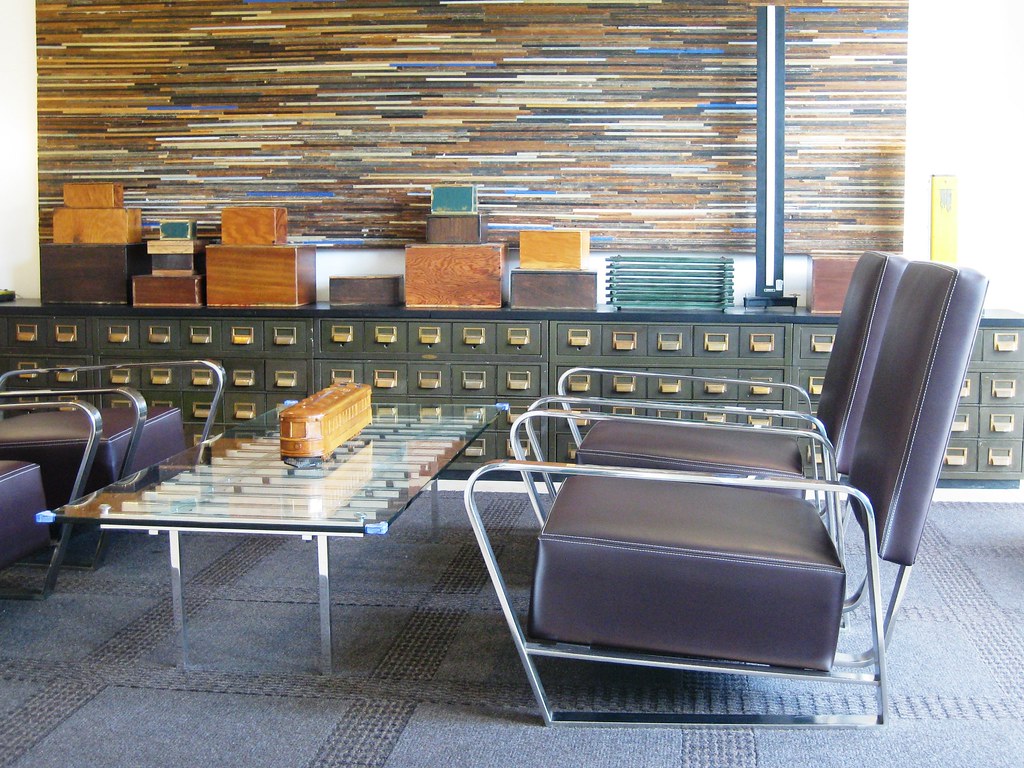
Layered lighting outperforms one clever fixture
Ambient, task, and accent layers give the system more meaningful options than a single overhead source. That makes it easier to shift rooms between focus, relaxation, circulation, and evening wind-down without making the controls feel overbuilt.
Occupancy sensing and daylight response should support those layers, not override the feel residents want from the room.
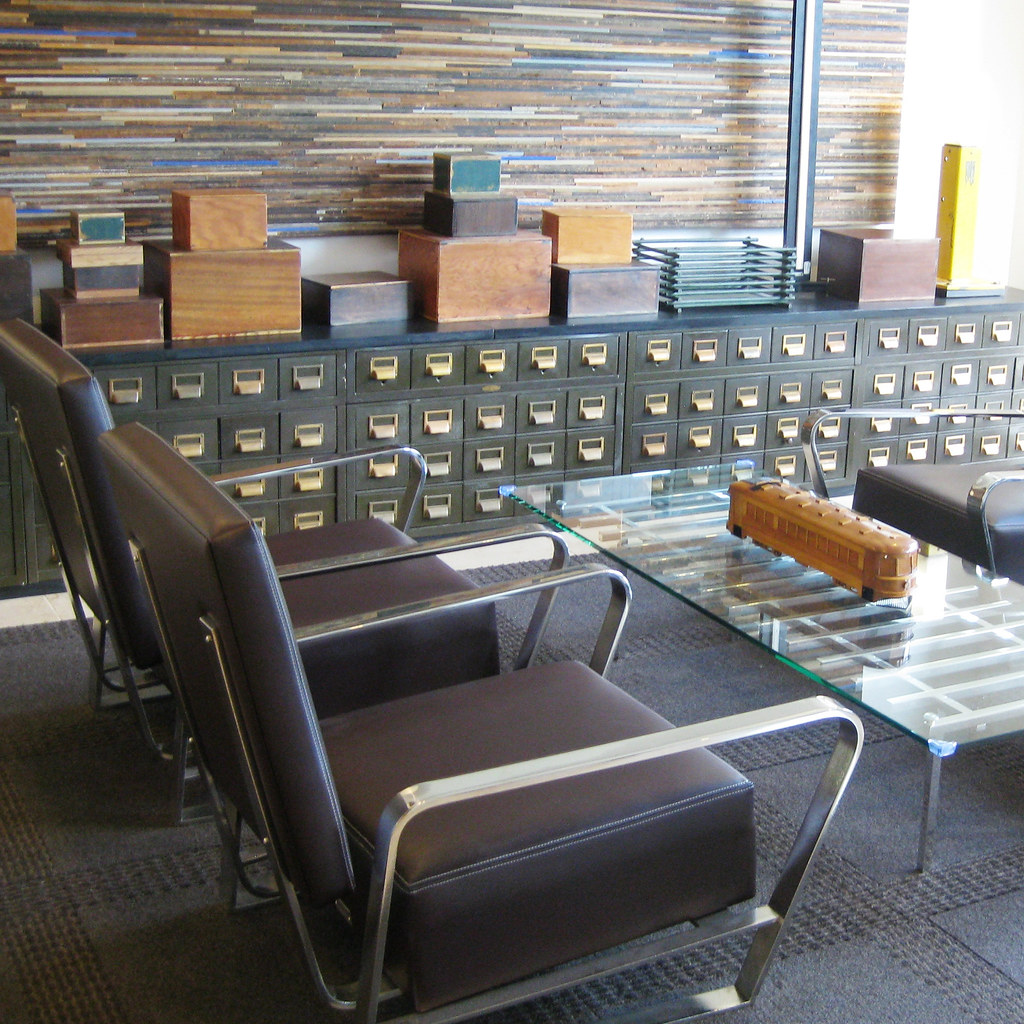
Scene planning
Create scenes for arrival, cooking, quiet evenings, and overnight circulation so the controls reflect actual movement through the house.
Related implementation details are also covered in WordPress documentation, which helps keep tool decisions grounded in established practices.
Circadian comfort
Shift brightness and tone through the day to reduce glare in the morning and harshness later at night.
Energy awareness
LED fixtures, dimming, and occupancy scheduling reduce unnecessary runtime while keeping the home safe and welcoming.
What to define before selecting devices
- Which rooms need scene control and which only need dependable switching.
- How natural daylight shifts through the day and whether sensors should respond automatically.
- Whether guests and children can still use the home comfortably without opening an app.
- How lighting should coordinate with entry, security, and nighttime circulation.
Test control ideas before locking the workflow
Lighting installers and product teams sometimes sketch mobile controls or homeowner support tools before the physical rollout. A fast prototype in a vibe coding tool can help validate scene naming, navigation, and support handoff before the production workflow is finalized.
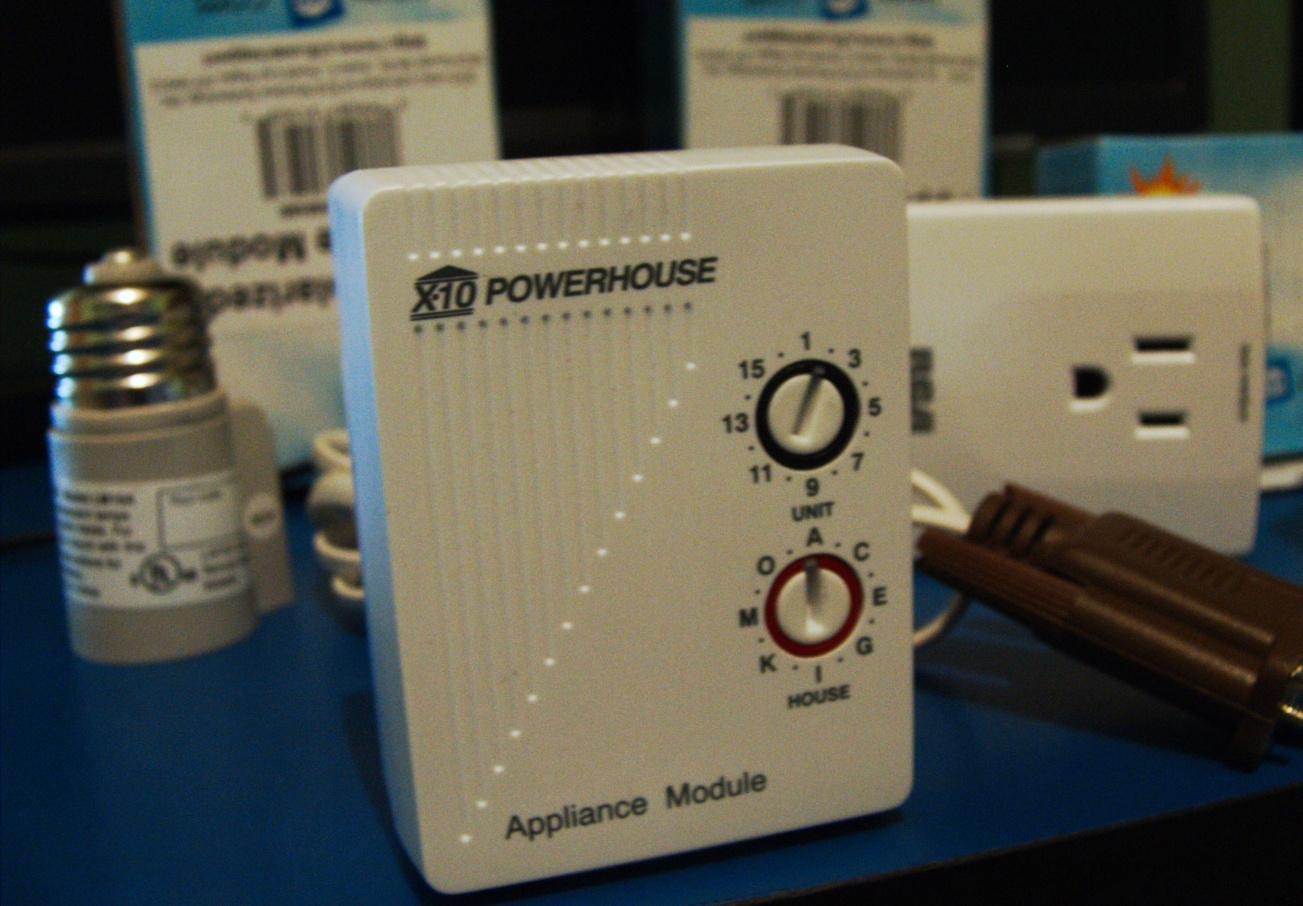
Lighting questions worth answering early
Do smart lights always need app control?
No. The strongest systems keep app control available while preserving clear wall controls and predictable automation rules.
Where do smart lighting systems save the most energy?
The best savings usually come from LED upgrades, dimming, occupancy response, and better use of daylight in frequently used spaces.
Can one lighting strategy work for every room?
Rarely. Kitchens, bedrooms, bathrooms, and circulation spaces all need different scene priorities and brightness expectations.
Bring lighting into the full smart-home plan
Return to innovative smart home designs for the broader system strategy or move to contact if you want to organize the next steps.